
How to Tell If You Have Wide Feet and Whether You Need Wide Shoes
To tell if you have wide feet, measure the length and width of both feet, compare those measurements with the sizing guidance for the shoes you want, and check how the shoes fit while standing and walking. There is no single width measurement that makes every foot “wide.” Width needs to be understood alongside foot length and the brand’s sizing system.
If shoes often squeeze your forefoot even when their length feels right, a wider fit may help. But the problem could also be a tapered toe box, insufficient depth, or a shoe shape that does not match your foot. Finding where the pressure occurs is more useful than simply buying a larger size.
Signs Your Shoes May Be Too Narrow
Start with a pair you already own. Put them on with your usual socks, stand up, and notice where they feel restrictive. Pressure along the sides of the forefoot, toes pressed together, or an upper that feels stretched across the ball of your foot are reasons to check the width.
These are clues rather than proof that you have wide feet. A shoe can fit through the middle yet taper too sharply around your toes. Another can have enough width but too little space over your foot. A shoe that is too short can also crowd the toes.
Pay attention to a repeated pattern across several properly sized pairs. If different shoes consistently squeeze the same area, record that fit problem before your next purchase. Do not assume that uncomfortable pressure will disappear with wear.
How to Measure Your Foot Width at Home
A home measurement gives you a useful starting point for comparing sizes. You will need paper large enough for your foot, a pencil, a ruler, and a firm, flat surface. Having someone help makes it easier to keep your weight on your foot while marking its outline.
Prepare for the Fit You Actually Need. Measure wearing the socks you expect to use with the shoes. Stand naturally rather than measuring with your foot lifted or resting lightly on the floor. Measure both feet separately. The American Podiatric Medical Association recommends measuring both feet late in the day and fitting for the larger foot.
Record Foot Length. Place the paper on the floor with your heel positioned against a straight reference edge. Mark the end of your longest toe, which may not be your big toe. Measure the straight distance from the heel reference to that mark. Record the result for each foot, preferably in millimetres so it is easy to compare with centimetre-based charts.
-
Record Forefoot Width. With your weight on your foot, mark or trace the widest part of the forefoot around the ball of the foot. Keep the pencil upright to limit the extra width added by an angled outline. Measure straight across the widest forefoot points, rather than diagonally or around the foot with a tape.
Repeat the measurement to check that your marks are consistent. Keep the length and width for each foot together. A tracing is an estimate, not a precise measurement of the space you need inside a shoe. If the brand provides a printable tool or a different measuring method, follow its instructions instead.
How to Interpret Your Measurements
Read Width Alongside Length
A width measurement does not tell the whole story by itself. The same measured width can correspond to different width categories at different shoe lengths. Look for a chart that relates width to the appropriate size, rather than using a stand-alone internet rule that labels every foot above a certain number as wide.
Also check what the chart measures. Foot width, foot circumference, insole width, and internal shoe width are different measurements. Do not compare your straight-across foot measurement with a circumference chart or assume an insole must have exactly the same width as your tracing.
Use the Brand’s Own Width Guidance
Width labels are useful within a sizing system, but they are not a universal fit guarantee. For example, New Balance lists standard width as B in its women’s range and D in its men’s range, with wider options identified separately. Check the actual brand and product chart rather than transferring those labels automatically to another shoe.
If a size chart only lists foot length, it cannot confirm whether the shoe has enough width for you. Ask the retailer about the specific model, explaining where your current shoes feel tight and sharing both foot measurements. Avoid choosing a size from an unrelated brand’s width chart.
How Do I Know If I Need Wide Shoes?
You may need wide shoes if the length is appropriate but the forefoot remains compressed, and a wider version improves that fit without making the rest of the shoe loose. If possible, compare the same model in standard and wide widths so you can judge what changes.

Check Length Before Changing Width. Your longest toe should not press against the front while you stand or walk. Follow the model’s guidance for toe clearance. If the shoe is too short, resolve the length first; if the length is already suitable, going longer purely for side-to-side space can introduce a different fit problem.
Locate the Pressure. Pressure across the ball of the foot may point toward a width issue. Pressure mainly at the toes may be more about toe-box shape. Tightness over the top of the foot may involve depth, volume, or lacing. These problems can overlap, so check each area rather than expecting a wide label to solve all of them.
Check Heel Hold While Walking. Walk around indoors and notice whether your heel stays reasonably secure and your foot slides forward or sideways. A roomier forefoot should not require accepting a loose fit everywhere else. If your toes need space but your heel slips, another model or shape may work better than simply increasing width again.
Do You Need Wide Shoes or a Different Toe Box?
A wide-width shoe and a wide toe box describe related but different features. A wider size does not automatically provide the toe shape you need, and a roomy toe box does not guarantee enough space through the midfoot or over the instep.
If the shoe feels comfortable through the middle but presses your outer toes inward, examine its front shape. If the entire forefoot feels restricted, compare overall widths as well. Some people need both a wider fit and a more accommodating toe box.
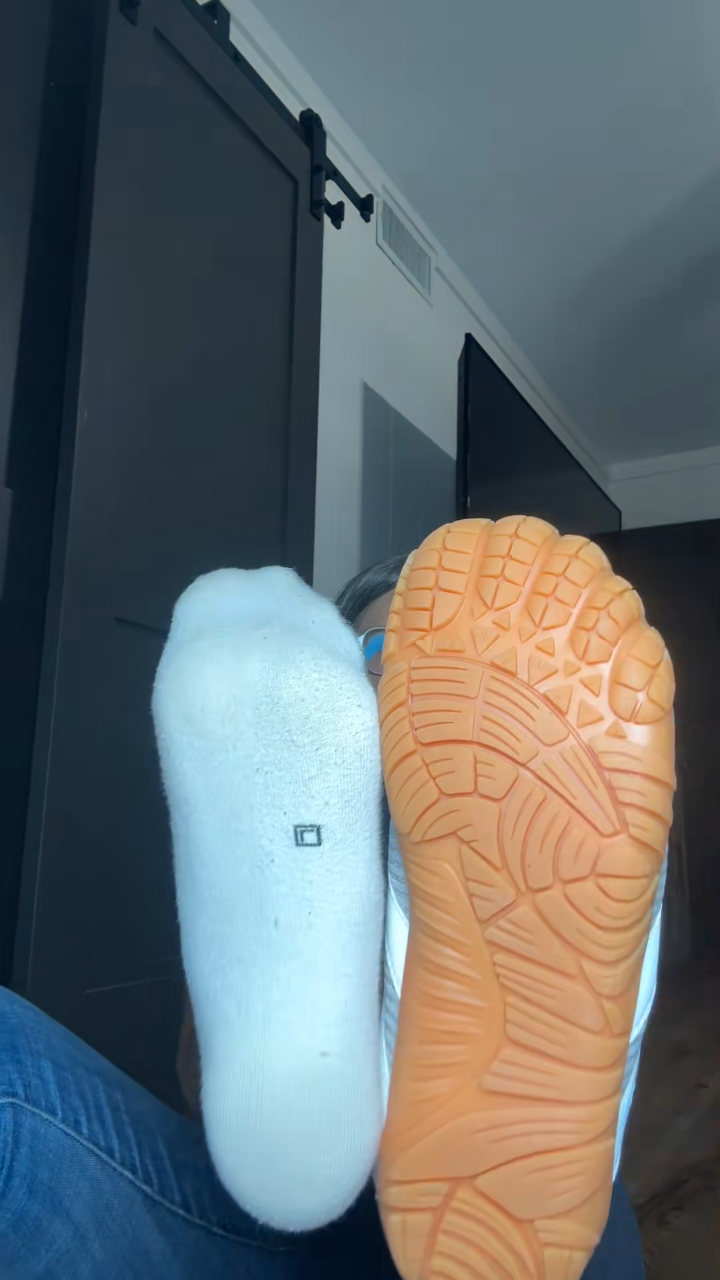
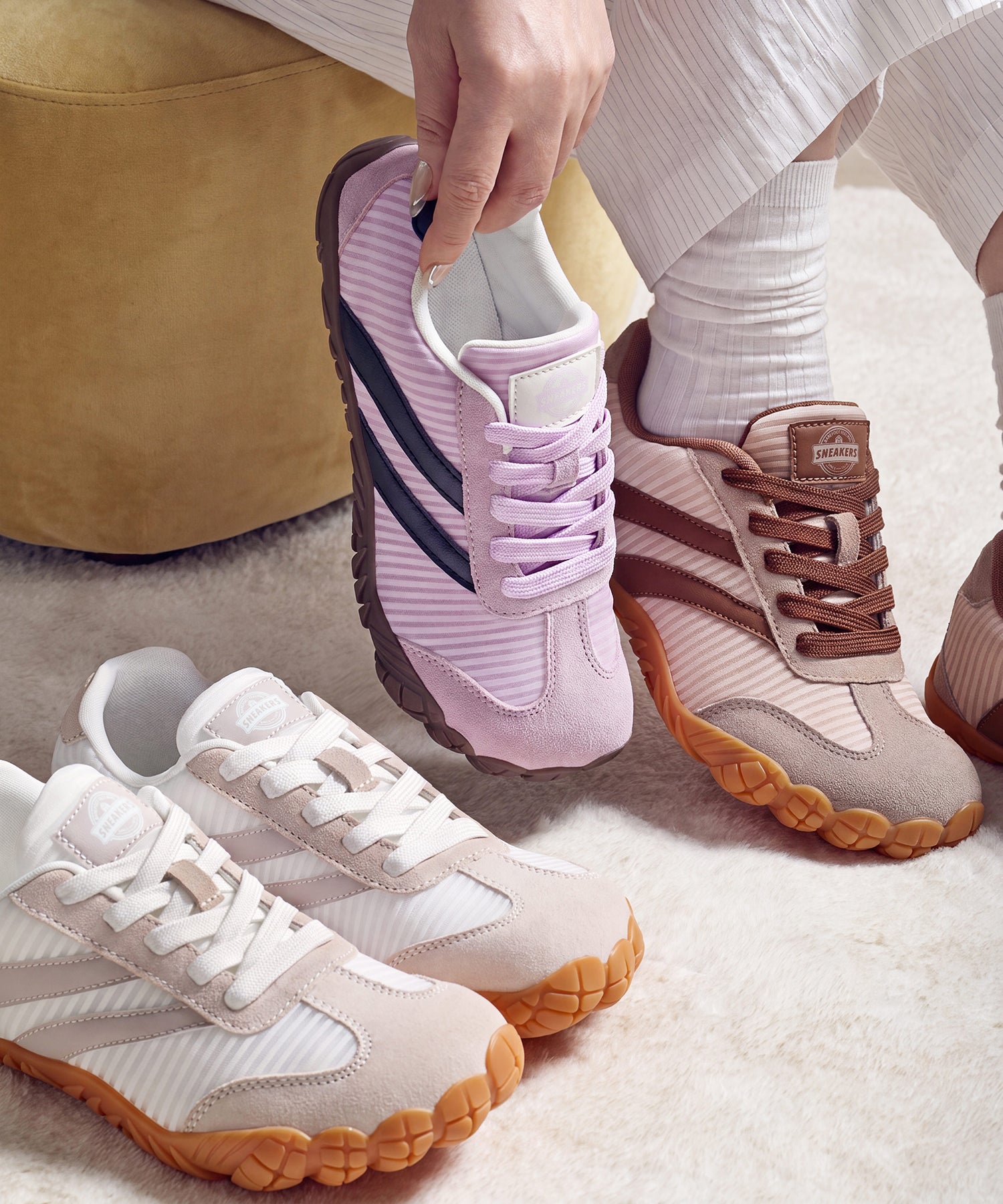
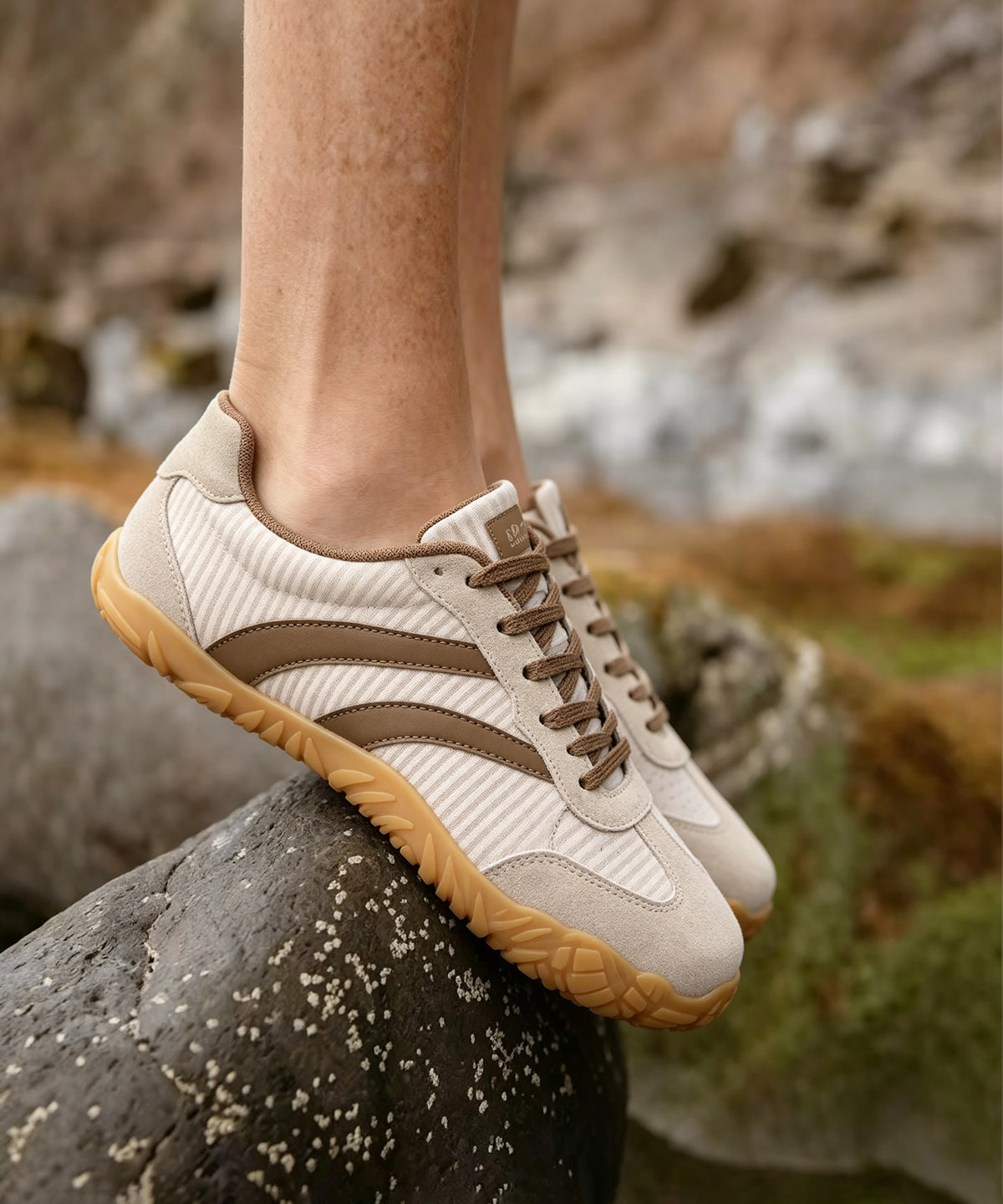
Barefoot footwear is one category to consider when you want more toe space, but it is not a required next step for everyone with wide feet. Toe-box shape, sole design, and overall fit should each be assessed on their own merits.
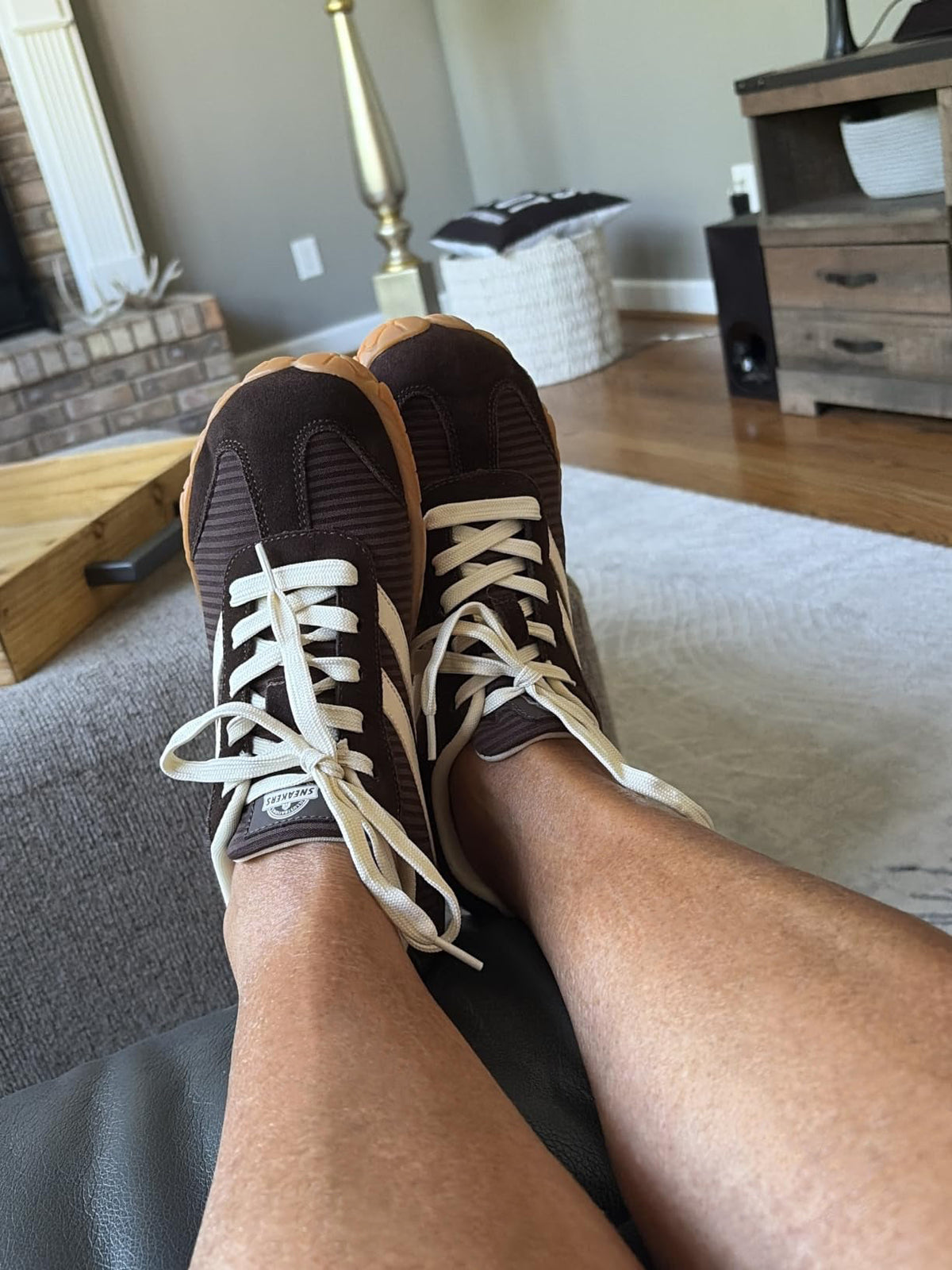
To put these fit checks into practice, you can start with a specific model such as the BareFrog Libre I in Black. Review the product details alongside your measurements, and check whether the available sizing information addresses the area where your current shoes feel tight. Do not assume that a barefoot-shoe label alone guarantees the right fit.

Check the Fit Before You Buy
Before ordering, have both feet’s measurements available, check the current model-specific size guide, and consider the socks and any insoles you intend to wear. Review the return conditions so you know how to assess fit indoors without affecting your options.
If you are considering BareFrog, start with the current BareFrog Size and Fit Guide. Use its measuring instructions and ask about the model you want if the available information does not answer your width question. A wide toe box is a feature to evaluate, not a promise that every model will fit every wide foot.
Ready to explore another option? View the BareFrog Libre II in White Black and check its current size options before choosing. If you are unsure about width or depth, ask about this specific model rather than sizing up simply to gain more room.
Frequently Asked Questions
Can I Tell If I Have Wide Feet Just by Looking?
Appearance can suggest which areas need more room, but it does not establish a shoe width category. Measure length and width, then use the relevant sizing guidance and a fit check.
Should I Size Up If My Shoes Feel Narrow?
First check whether the length is wrong or the width is wrong. A longer shoe may add some space, but it can also become too long or loose at the heel. When the length already fits, comparing widths or changing shoe shape is usually a more targeted next step.
What If One Foot Is Wider Than the Other?
Keep separate measurements and assess both feet in each pair. Choose a fit that accommodates the foot needing more space while checking that the other remains secure. If that balance is difficult to achieve, seek an in-person fitting rather than compressing the wider foot.
Does Extra Toe Room Mean My Shoes Are Too Big?
Not necessarily. Room around the toes is different from excessive length or a foot that slides inside the shoe. Check toe clearance, forefoot comfort, midfoot hold, and heel security together. The aim is usable space where you need it and a secure fit where you need it.