
Article: Wide Toe Box Shoes vs Wide Shoes and Which You Need
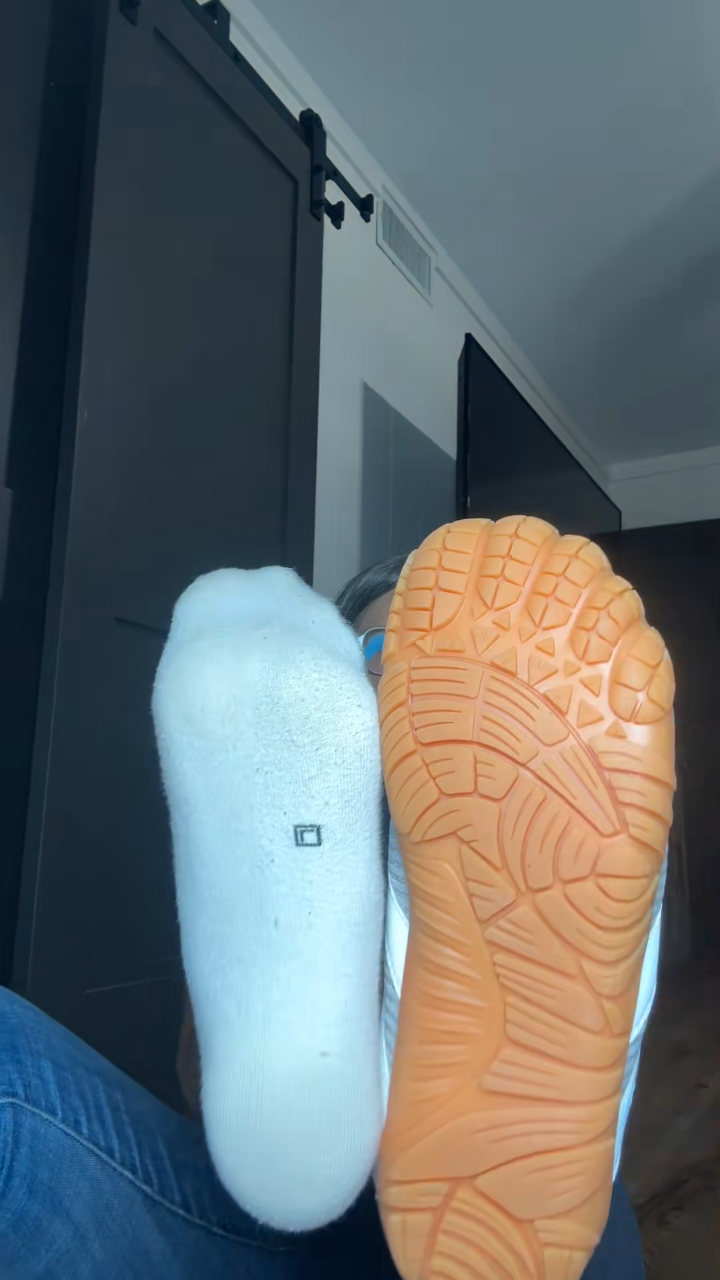
Wide Toe Box Shoes vs Wide Shoes and Which You Need
Wide toe box shoes and wide shoes address different aspects of fit. A wide toe box describes the space and shape around your toes. A wide-width option describes a size variation within a particular shoe model. A shoe can offer either feature or both, and neither label tells you everything about how it will fit.
If you have tried a wider shoe and still felt your toes being squeezed, the front shape may be part of the problem. If a roomy toe box feels comfortable but the shoe presses across the ball or top of your foot, you may need a different width or more internal volume. The useful question is where you need space and where you need the shoe to hold your foot.
What Wide Width Means
When a model comes in standard, wide, and extra-wide versions, those labels let you compare width options within that product range. Brands may use words, letters, or combinations such as 2E to identify them. Read the brand’s own chart because the meaning depends on the sizing system and range. As Bradford District Care NHS guidance notes, shoe sizing varies between makes, so sizing information from one brand should only be a guide when considering another.
The exact changes between width options depend on the shoe’s construction. A wider version may provide more room through the forefoot and other areas, but you should not assume that every part gets wider by the same amount. It may also retain a front shape that tapers toward the toes.
A wide label is therefore a starting point for a fit comparison. It does not establish a universal internal measurement, guarantee a particular toe shape, or tell you how securely the heel will fit.
What a Wide Toe Box Means
The toe box is the part of the shoe surrounding your toes. Its width, height, and outline all affect the space available. Two shoes can feel similar across the ball of the foot yet give the toes very different amounts of room. South Tees Hospitals NHS guidance similarly advises checking length, width, and depth, particularly around the toes. This guidance concerns fit and does not establish whether barefoot footwear is suitable for you.
For example, one shoe may taper sharply beyond the forefoot while another follows a straighter outline along the big-toe side. That difference can matter even when both shoes are sold in the same nominal width. Materials, lining, and seams also affect how much usable space you feel. Bradford District Care NHS advice recommends a soft upper without hard seams or ridges. This is another reason to inspect construction as well as the width label.
A wide toe box does not necessarily mean extra depth over the toes. It also does not establish whether a shoe has cushioning, a heel-to-toe drop, or a flexible sole. Check those features separately if they matter to your intended use.

Wide Toe Box Shoes vs Wide Shoes in Practice
- Size options and shoe shape answer different questions. A width option answers which version of a model might accommodate your foot. Toe-box shape helps answer whether that model follows the outline of your toes. If a shoe is tight across the forefoot, a wider size may help. If it fits behind the toes but narrows too abruptly at the front, changing the shape may be more useful.
- You may need both features. The choice is not always either wide width or a wide toe box. A broad forefoot with toes that need more space may benefit from both. Someone else may need room at the toes while preferring a closer fit through the midfoot and heel. Compare the complete fit rather than choosing a label in isolation.
- More space is not always a better fit. Extra room helps when it relieves the restriction you are experiencing. It becomes less useful if your foot slides forward, shifts sideways, or feels difficult to secure. The goal is enough space for comfortable movement with suitable hold through the rest of the shoe.
Which Option Matches Your Fit Problem?
- Your toes feel crowded but the rest fits. Look closely at the front shape and depth. If the big toe or little toe is pushed inward while the midfoot feels comfortable, compare a less tapered toe box. Try the new pair at an appropriate length and check whether the change addresses the toe pressure without creating excessive movement elsewhere.
- The whole forefoot feels compressed. Compare a wider version of the same model if one is available. That gives you a clearer view of what a width change does. If the wider version still restricts the toes, you may also need a different front shape. A single size label cannot settle both questions.
- The top of your foot feels tight. Consider internal volume and the upper’s construction as well as width. Lacing adjustments may help you identify whether pressure is related to the closure, but they cannot create unlimited room. A different model with more suitable depth may fit better than a wider version of the same shoe.
- Your forefoot needs room but your heel slips. Look for a model that combines the toe space you need with a heel and midfoot that hold your foot securely. Try adjusting the closure within its intended range, then walk indoors to assess movement. Do not keep increasing length or width simply because the front still feels wrong.
How to Compare Shoes Before Buying
Start With Your Measurements and Intended Use
Have the length and width of both feet available and use the current guide for the exact model. If you have not measured yet, our guide to how to tell if you have wide feet explains the process and how to interpret the result. A measurement helps narrow the choices; a fit check confirms how a particular shoe works on your feet.
Also consider where you will wear the shoes. Toe space is one part of choosing everyday footwear. Weather, surface conditions, workplace requirements, and the amount of walking you expect can affect which models are suitable.
Keep the Comparison Consistent
Try both shoes in a pair with the socks and any compatible insoles you expect to use. Compare appropriate lengths rather than assuming your usual size transfers perfectly between brands. If you are comparing standard and wide versions, begin with the same model and nominal length where the sizing guidance allows.
Stand and Walk Indoors
Notice whether your toes can rest without being pressed together or against the front and upper. Check the forefoot for side pressure and the top of the foot for tightness. Walk, turn, and stop to see whether your heel and midfoot remain secure. A comfortable first impression while seated is not the whole fit check.
Keep the retailer’s return conditions in mind while trying shoes. If the available measurements or descriptions leave an important question unanswered, ask about the specific model rather than assuming “wide” or “foot-shaped” guarantees the answer.
Where Barefoot Shoes Fit Into the Choice
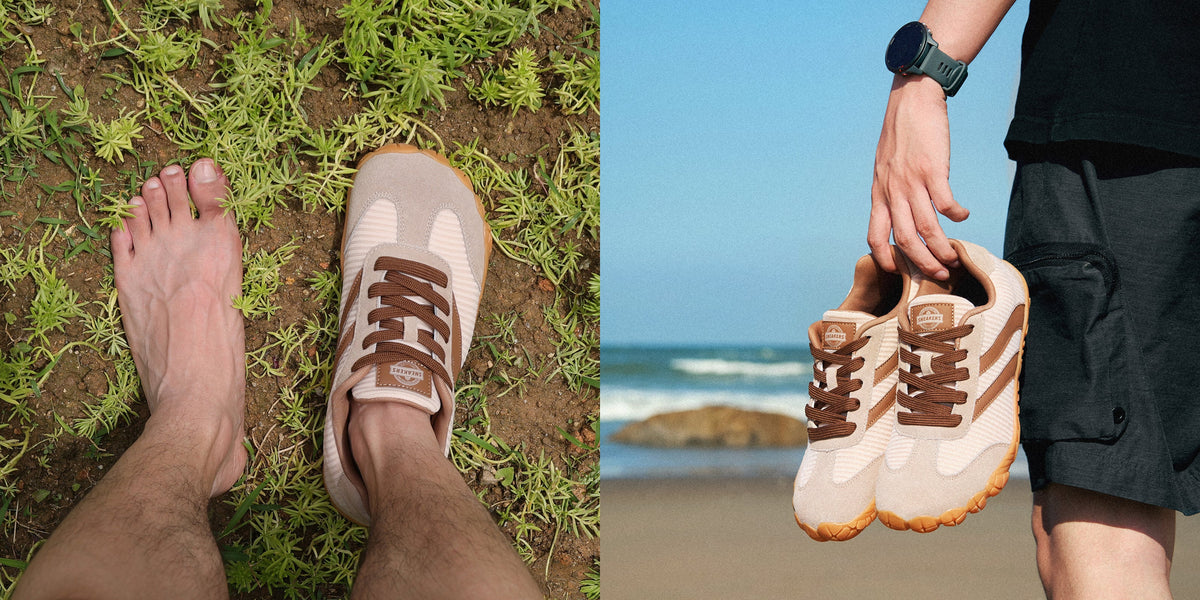
Many barefoot shoes combine a roomy toe box with other design features, such as a flexible sole and a level heel-to-forefoot platform. Those features describe different aspects of the shoe. Wanting more toe space does not automatically mean you want the sole feel of barefoot footwear.
If you are considering BareFrog, evaluate the toe-box shape alongside the model’s sizing information and overall design. Start with the BareFrog Size & Fit Guide, then ask about the specific pair if you need more detail about width or depth. A wide toe box alone cannot establish whether a model will fit your foot.
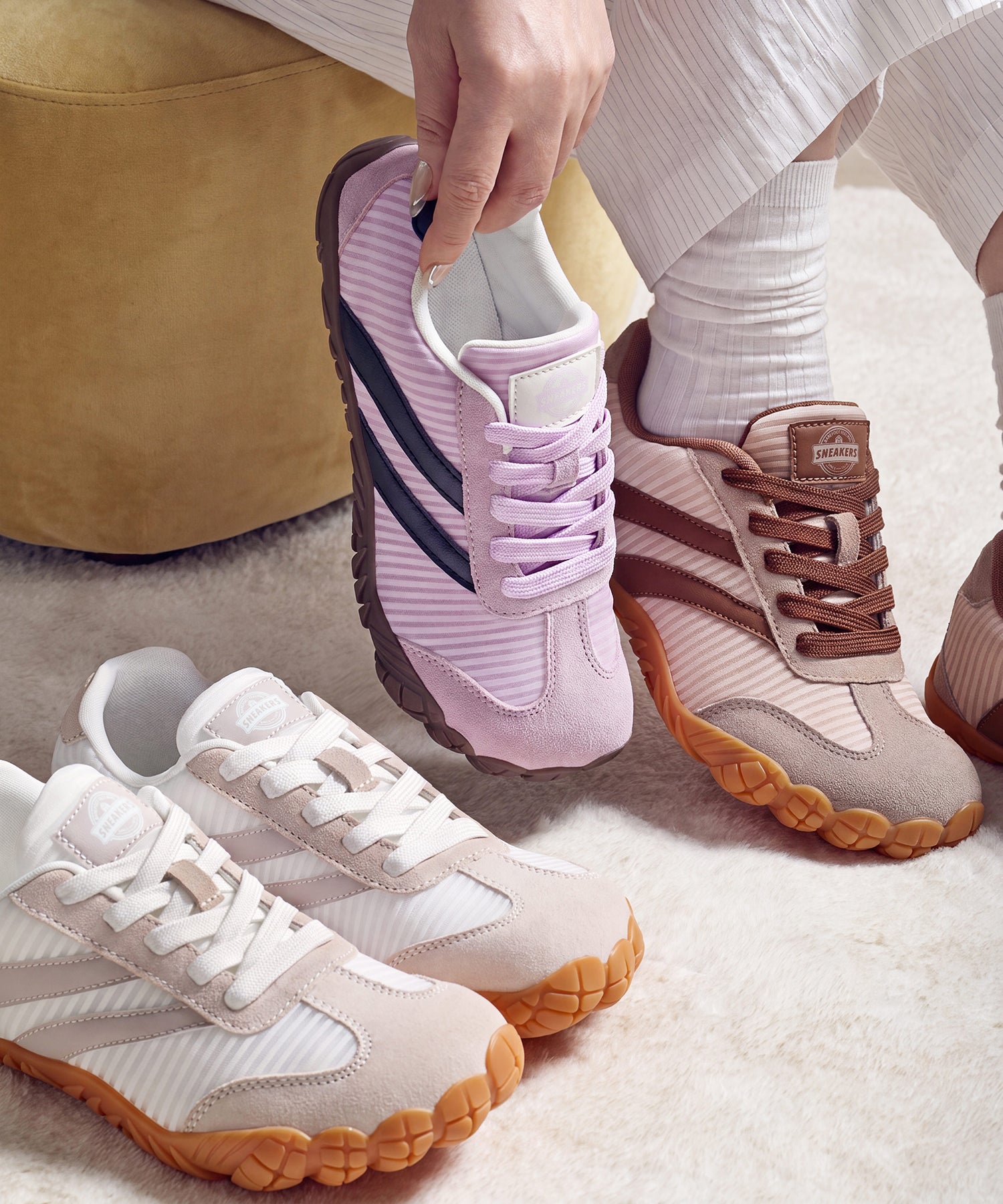
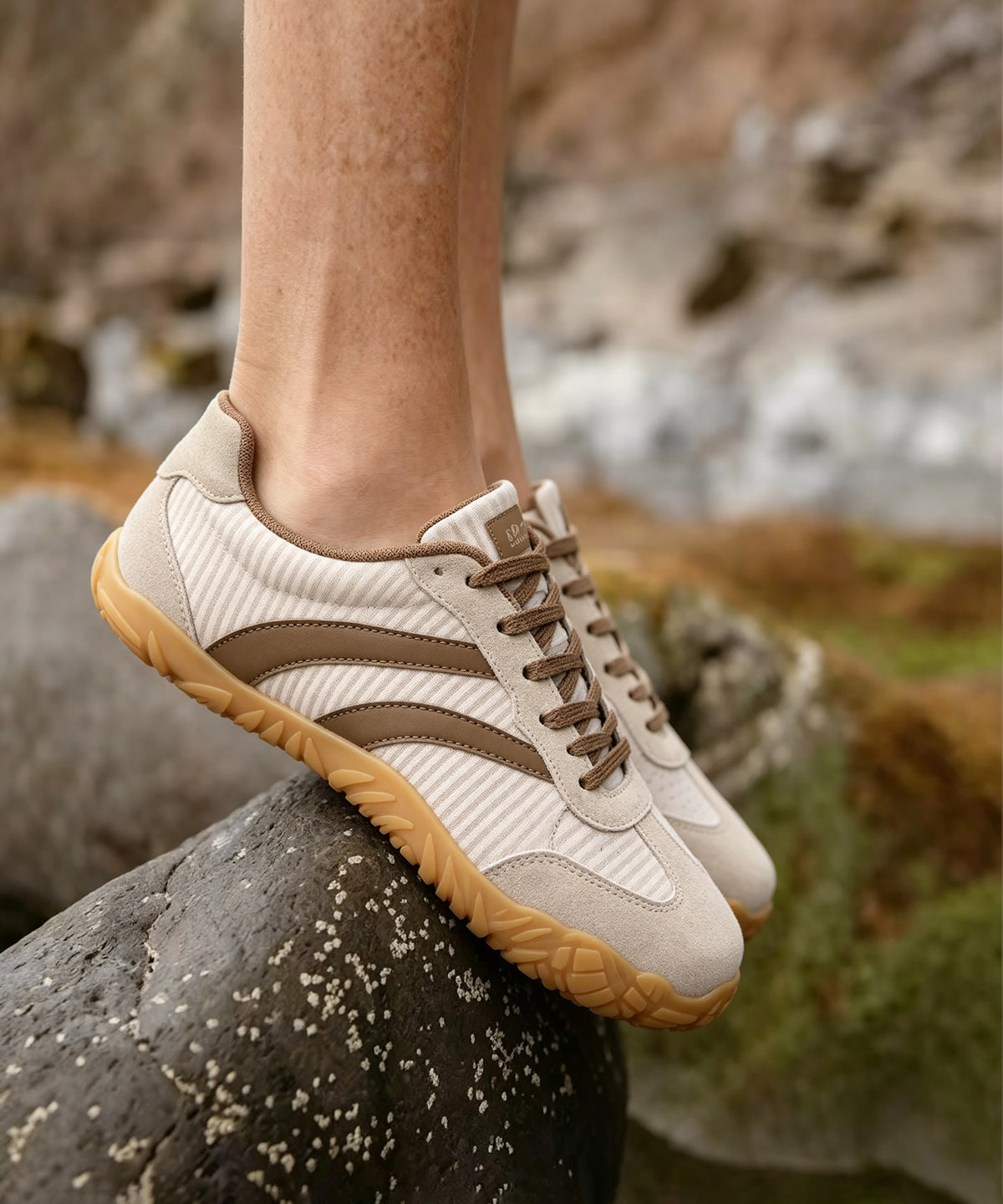
For a closer look at individual options, compare the product photos and sizing information for the BareFrog Libre II White Black and BareFrog Libre I Off-white. These are product examples to explore, not a guarantee that either will suit every foot width.

Choose the pair that addresses your actual fit problem and suits how you plan to wear it. A shoe that gives your toes room while holding the rest of your foot comfortably is a more useful outcome than selecting the widest label available.
Frequently Asked Questions
Do Wide Shoes Always Have a Wide Toe Box?
No. A wider option may add room but retain a tapered front shape. Some wide shoes also have an accommodating toe box. Check the specific model rather than assuming the two descriptions are interchangeable.
Can Standard-Width Feet Benefit From a Wide Toe Box?
Possibly. You may prefer more space around your toes even if a standard width fits comfortably through the rest of your foot. Make sure the additional toe room comes with suitable length and secure hold elsewhere.
Does a Wide Toe Box Mean the Shoe Is Barefoot?
No. Toe-box shape does not determine cushioning, sole flexibility, or heel-to-toe drop. A shoe can have a roomy toe box without being designed as barefoot footwear.
Should I Buy a Larger Size to Get More Toe Space?
First establish whether the shoe is too short or has the wrong width or shape. A longer size may give more room but can also become loose. When length is already appropriate, compare width options and toe shapes before simply sizing up.
Find Your BareFrog Fit
Ready to compare options? Explore BareFrog footwear and use the sizing guidance for the pair you are considering to assess length, toe space, and overall fit.
Research & Further Reading
View sources
These sources provide background on footwear fit. They are included for educational purposes and do not constitute medical advice or product endorsement. General footwear guidance does not establish whether barefoot footwear is suitable for an individual.
- Footwear Advice, Bradford District Care NHS Foundation Trust.
- Footwear Advice, South Tees Hospitals NHS Foundation Trust.