


What Are Barefoot Shoes? A Complete Guide to Everyday Footwear
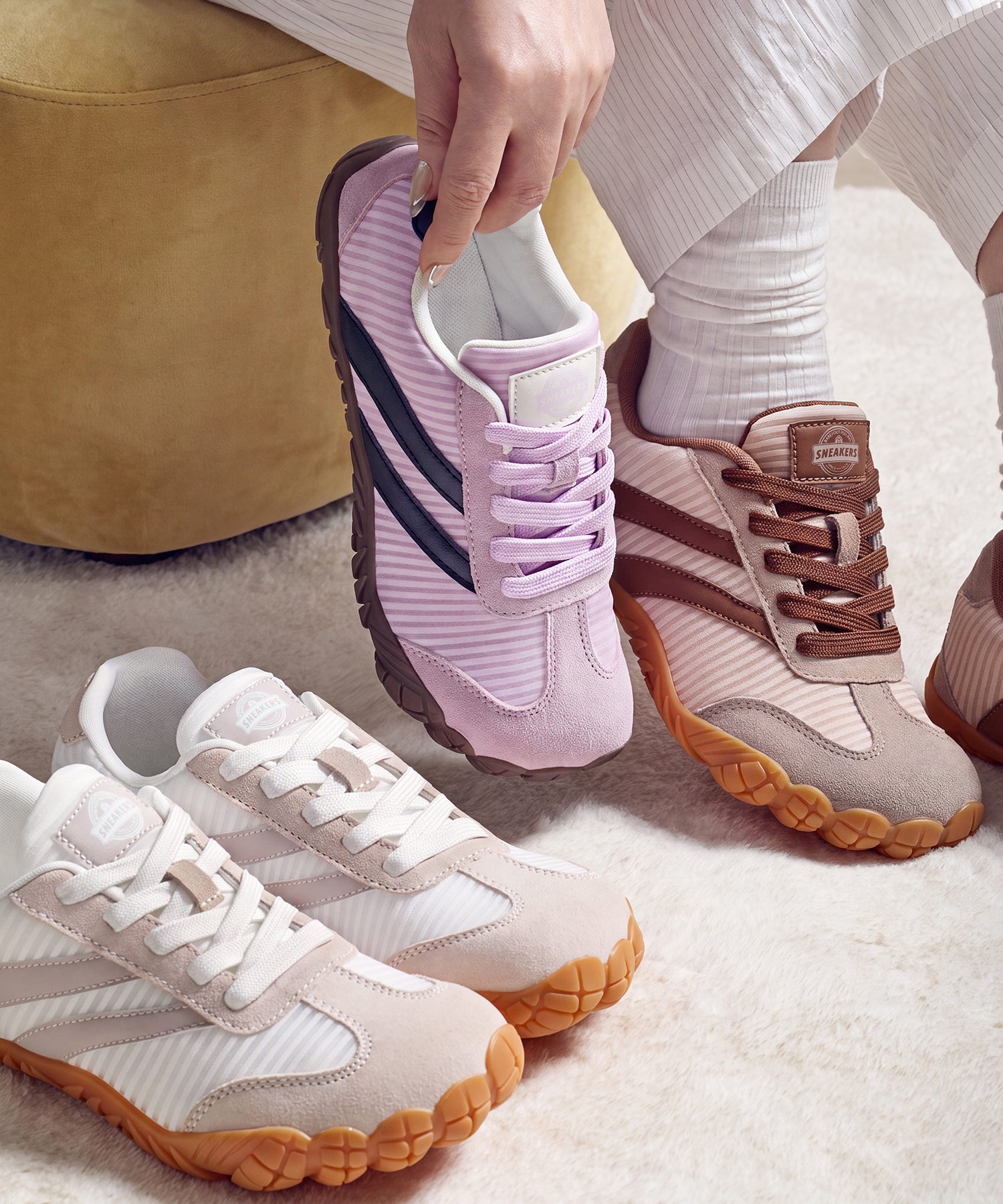
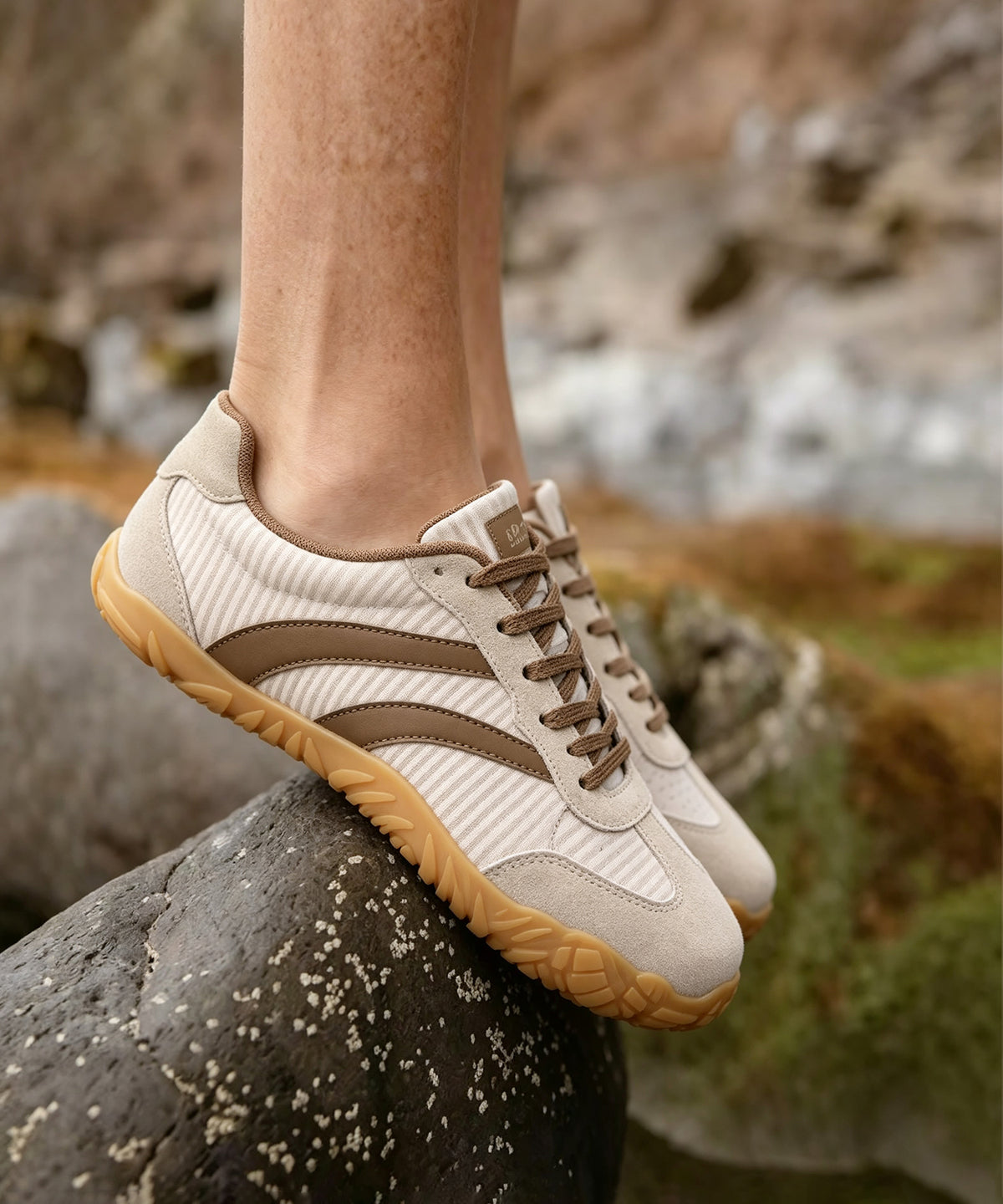
Barefoot shoes are footwear designed to allow more freedom of foot movement while providing a layer of protection from the ground. Typical features may include a zero-drop platform, a foot-shaped toe box, a flexible sole, and a lower-profile construction, although details vary by model.
This guide explains what those features mean, how barefoot footwear relates to minimalist shoes, what research can and cannot tell us, and how to choose a pair for your feet and activities. Start with the basics below, or jump to the question that brought you here.

What Are Barefoot Shoes?
Barefoot shoes aim to give the foot room to move within a shoe. Compared with many conventional shoes, they typically have less heel elevation, less restrictive toe shaping, and a sole that bends more readily. You are still wearing footwear: the upper and sole separate your feet from the environment, and their materials affect protection, temperature, grip, and sensation.
“Natural footwear” describes this general approach rather than a guarantee of a particular health outcome. The barefoot label alone also does not tell you whether a shoe fits your foot or suits your activity. Look at its construction and fit together.
How Do You Identify Barefoot Shoes?
- Zero-Drop platform: The heel and forefoot sit at the same height, creating a level base. Zero-drop is one core feature of BareFrog barefoot shoes, not a complete description of the entire shoe.
- Wide, foot-shaped toe box: The front of the shoe is shaped to give the toes room to move without squeezing them into a narrow point. Width still needs to match your foot, so wider does not automatically mean better fit.
- Flexible sole: The sole can bend with the foot instead of forcing it to stay in one position. The appropriate amount of flexibility depends on your comfort, activity, and the surface.
- Lower-profile sole: A thinner sole may allow more ground feel, while a thicker sole may provide more separation from rough or hard surfaces. Barefoot-style shoes are not identical in sole thickness.
- Secure, uncomplicated fit: A comfortable shoe should hold the heel securely, leave the toes room to move, and avoid pressure points across the top or sides of the foot.

How Do Barefoot, Minimalist, and Zero-Drop Shoes Compare?
The terms barefoot shoes and minimalist shoes often overlap. Barefoot footwear usually refers to a design with very little interference from the shoe; minimalist footwear describes a broader range of reduced-structure designs. Usage varies, so the name is less useful than the specifications.
A 2020 review of running-shoe terminology found overlapping labels for minimalist footwear. It also shows why a single feature cannot describe the whole shoe. Here is a practical way to read product descriptions:
| Term | What It Describes | What to Check Separately |
|---|---|---|
| Barefoot shoes | A combination of a level platform, toe room, flexibility, and a minimal sole. | The actual fit, sole thickness, grip, and intended use. |
| Minimalist shoes | Reduced structure or interference compared with more conventional footwear; designs vary. | Heel-to-toe drop, cushioning, flexibility, and support features. |
| Zero-drop shoes | No height difference between the heel and forefoot. | A zero-drop shoe can still have substantial cushioning or a stiff sole. |
| Wide toe box shoes | Space around the toes at the front of the shoe. | Forefoot shape does not specify heel drop, arch support, or overall width. |
Zero drop is a core feature of BareFrog barefoot shoes. It works alongside toe-box shape and sole flexibility; these are complementary design characteristics, not opposing shoe categories.
Are Barefoot Shoes Good for Your Feet?
They may suit people who prefer more toe room, flexibility, and ground feel, and some research suggests that wearing minimal footwear can increase foot strength. That does not establish that barefoot shoes are healthier for every wearer or that they treat pain.
What Does the Research Show?
A 2021 study of daily activity in minimal footwear reported increased foot strength after a six-month intervention in adults who had previously worn conventional shoes. It studied a particular intervention and footwear, not BareFrog products. A strength finding should not be read as proof of pain relief, injury prevention, or the same result for everyone.
A 2022 study of heel-to-toe drop and running speed examined immediate biomechanical responses in male recreational runners. Its running-specific findings do not establish long-term health benefits for everyday walkers. Footwear can change how you move without that change automatically being better or worse.
What Are the Practical Benefits and Tradeoffs?
- Toe room: A shape that matches your foot can avoid squeezing your toes, but an oversized shoe may allow unwanted movement.
- Flexibility and ground feel: A flexible, lower-profile sole can make the surface more noticeable. That may feel less comfortable on rough ground or during long periods on hard floors.
- A level platform: Zero drop removes heel elevation. Switching from a different shoe changes the footwear you are accustomed to, so introduce it gradually.
Judge the whole experience: fit, comfort during use, and how you feel afterward. A barefoot label is not a reason to ignore discomfort.
Do Foot Shape and Arch Height Matter?
Yes, but arch height is only one part of fit. Foot width, toe shape, instep volume, and heel shape all affect how a shoe feels. A roomy forefoot may work for one person while the same shoe feels loose at another person’s heel.
Flat feet alone do not automatically mean you need to avoid barefoot shoes or wear them. The NHS guidance on flat feet notes that they usually cause no problems and do not need treatment when symptom-free. This is general guidance about flat feet, not an endorsement of barefoot footwear.
People with flat feet or high arches may have different comfort needs, and symptoms and comfort matter more than foot shape alone. If you have pain, numbness, recurring injury, or a condition affecting your feet, get individualized advice before changing footwear. Do not remove prescribed support based on a general shoe guide.
How to Choose Barefoot Shoes for Beginners
Choose a shoe around your foot and its intended use. A useful first pair fits securely, feels comfortable during a short trial, and matches the surfaces and activities you plan to use it for.
- Measure both feet: Follow the brand’s measurement method and use the product’s size chart. Leave the toe allowance recommended for that model instead of assuming your usual size will fit.
- Check width and toe shape: Your toes should not press against the sides or end. A wide toe box and a wide-size shoe are not necessarily the same: you may need toe space without extra room around your heel.
- Check instep volume: Laces or straps should hold the shoe without pressure across the top of your foot. Enough length does not guarantee enough height inside the upper.
- Check heel security: Walk and turn. Look for rubbing, slipping, or the need to grip with your toes to keep the shoe on.
- Read the sole details: Compare heel-to-toe drop, total sole thickness, flexibility, tread, and included insoles. These affect the experience together.
- Try the intended movement: A comfortable short walk is useful information, but it does not establish suitability for an entire work shift, a run, or a hike. Build exposure gradually.
Before buying, review the current product specifications, size guidance, and return policy. Price and the word “minimalist” cannot tell you whether the shape is right for your foot.
How Do You Choose Barefoot Shoes for Different Activities?
Begin with your main use rather than looking for one shoe to do everything. The following considerations help you compare designs; they do not imply that every BareFrog model is suitable for every activity.
Everyday Walking, Commuting, and Travel
For barefoot shoes for walking, consider pavement, daily distance, ventilation, weather, and the amount of ground feel you enjoy. Try the shoes on familiar short outings before using them for a full sightseeing day. Travel can combine more walking and standing than your normal routine.
Standing All Day and Working
A short comfortable walk does not predict comfort during a long shift. Think about floor hardness, time on your feet, opportunities to change shoes, and required slip resistance or protective features. A barefoot design does not establish that a shoe meets workplace safety requirements.
Gym Sessions and Strength Training
Check traction, secure fit, and whether the sole suits the movement. A preference for a level platform in one lift does not make it ideal for every exercise. Start with familiar movements and lighter loads when trying different footwear. For gym sessions, platform, traction, fit, and exercise-specific considerations matter more than the label alone.
Running
Running is a separate progression from walking. Being comfortable in barefoot shoes for daily use does not establish readiness for your usual running distance. Consider running experience, current symptoms, surface, and the model’s intended use. Avoid changing shoes, pace, and mileage together.
Hiking and Outdoor Use
Terrain, weather, distance, and pack weight change what you need from footwear. Compare outsole grip, protection from sharp ground, upper durability, and water handling. A casual shoe’s flexibility does not make it a trail shoe, and a waterproof claim needs confirmation in the product details.
How Do You Transition to Barefoot Shoes?
If you have spent years in structured, elevated-heel, or heavily cushioned shoes, give your feet and lower legs time to adapt. Start with short periods of easy walking or familiar movements rather than wearing the new shoes all day immediately.
- Begin with short sessions: Try brief walks, warm-ups, or light activity.
- Change one variable at a time: Avoid changing footwear, training volume, exercise selection, and load all at once.
- Increase slowly: Add time or intensity only when the current level feels comfortable.
- Watch your response: Persistent pain, swelling, numbness, or a lasting change in movement is a reason to stop and seek professional advice.
If moving straight into barefoot shoes feels like too much of a change, you can also explore BareFrog Transition Insoles as one possible step while you assess what feels comfortable. Review the product page for current construction, compatibility, and fit details, and continue to increase wear gradually rather than treating an insole as a shortcut.
Common Questions About Barefoot Shoes
Can Barefoot Shoes Have Cushioning?
A barefoot shoe can contain a thin cushioning layer; minimal cushioning does not mean no material between your foot and the ground. More cushioning changes ground feel and may affect flexibility. A heavily cushioned zero-drop shoe should not be assumed to provide the same experience as a thin, flexible barefoot shoe.
Do Barefoot Shoes Have Arch Support?
Some barefoot-style designs minimize built-in support, but construction varies by model. A removable insole is not automatically an arch-support device: it may simply provide a lining or cushioning. Inspect its shape and stated purpose. If you use prescribed orthotics, discuss any change with the clinician who advises you.
Can I Wear Barefoot Shoes All Day Immediately?
If you are new to the design, begin with short periods and increase based on your response. There is no single adaptation timetable for every person. Comfort during a short session does not mean you should immediately wear the shoes all day.
Should Barefoot Shoes Feel Uncomfortable at First?
They can feel unfamiliar, but pain, pressure, rubbing, or numbness should not be treated as a requirement for progress. Reassess the fit, reduce exposure, and seek professional advice for persistent or concerning symptoms.
Are Foot-Shaped Shoes Always Barefoot Shoes?
No. “Foot-shaped” describes the outline and toe space. A foot-shaped shoe may still have an elevated heel, substantial cushioning, or built-in support. Check each design feature rather than treating the terms as interchangeable.
Why BareFrog?
BareFrog brings barefoot design into a more fashionable, comfortable everyday style. Its Zero-Drop platform, Wide Toe Box, and Flexible Sole are paired with a silhouette that can fit naturally into daily routines, so barefoot footwear does not have to look limited to training or outdoor use.
The result is a more wearable way to explore barefoot footwear without choosing between thoughtful foot-friendly design and an everyday look. Comfort remains personal, so the right choice still depends on the individual model, activity, and fit.

Check each product page for current sole, fit, traction, included accessories, and pricing details.
Ready to Explore Barefoot Footwear?
Explore BareFrog barefoot shoes and compare the fit and design details for your everyday movement.
Research & Further Reading
View sources
These sources provide background on footwear terminology, selected biomechanics research, and foot-arch variation. They are included for educational purposes and do not constitute medical advice or product endorsement.
- Daily activity in minimal footwear increases foot strength, Scientific Reports, 2021. A six-month adult intervention; not a study of BareFrog products.
- Review of Terms and Definitions Used in Descriptions of Running Shoes, International Journal of Environmental Research and Public Health, 2020.
- Acute Effects of Heel-to-Toe Drop and Speed on Running Biomechanics and Strike Pattern in Male Recreational Runners, Frontiers in Bioengineering and Biotechnology, 2022. This study concerns a specific running context and should not be generalized to every wearer or activity.
- Flat feet, NHS.

