


Barefoot Shoes for Weightlifting and Strength Training
When you lift, your feet are your contact point with the floor. That does not mean one shoe can guarantee strength gains, stability, or better form. Some lifters prefer low-profile, zero-drop footwear because it feels level and gives the toes more room to work, while others prefer more cushioning or structure.
The right choice depends on the exercise, training surface, footwear history, comfort, and individual technique. Barefoot shoes are not a substitute for coaching, progressive training, or medical advice.
Why do some lifters choose zero-drop shoes?
A zero-drop shoe keeps the heel and forefoot at the same height. This is one shoe feature among several, not a complete description of how a shoe will perform. The distinction between heel-to-toe drop and other shoe features is useful when comparing footwear.
Some lifters choose a barefoot-style shoe for:
- A level platform: The heel and forefoot sit at the same height.
- A foot-shaped toe box: The front of the shoe gives the toes room to spread comfortably.
- A flexible sole: The shoe can bend with the foot instead of forcing it into one position.
- A low-profile feel: A thinner sole may help some people feel closer to the training surface.
These features may change how a lift feels, but they do not guarantee greater force production, improved balance, or better results for every lifter.
How footwear can feel during strength training
For deadlifts
Some lifters prefer a flat or low-profile sole for deadlifts because it can reduce the distance between the foot and the floor. Comfort, traction, technique, and the rules of your gym still matter more than the shoe label.
For squats
Squat footwear is a personal and technical choice. Some lifters prefer a level platform, while others use a raised heel to support the squat position that suits their mobility and technique. A zero-drop shoe is not automatically better for every squat style.
For kettlebells and general training
A flexible, foot-shaped shoe may feel comfortable during lighter kettlebell work, warm-ups, and general strength exercises. Choose traction and protection that match the surface and the activity rather than assuming the thinnest sole is always the best option.
Why BareFrog works for gym-to-street movement
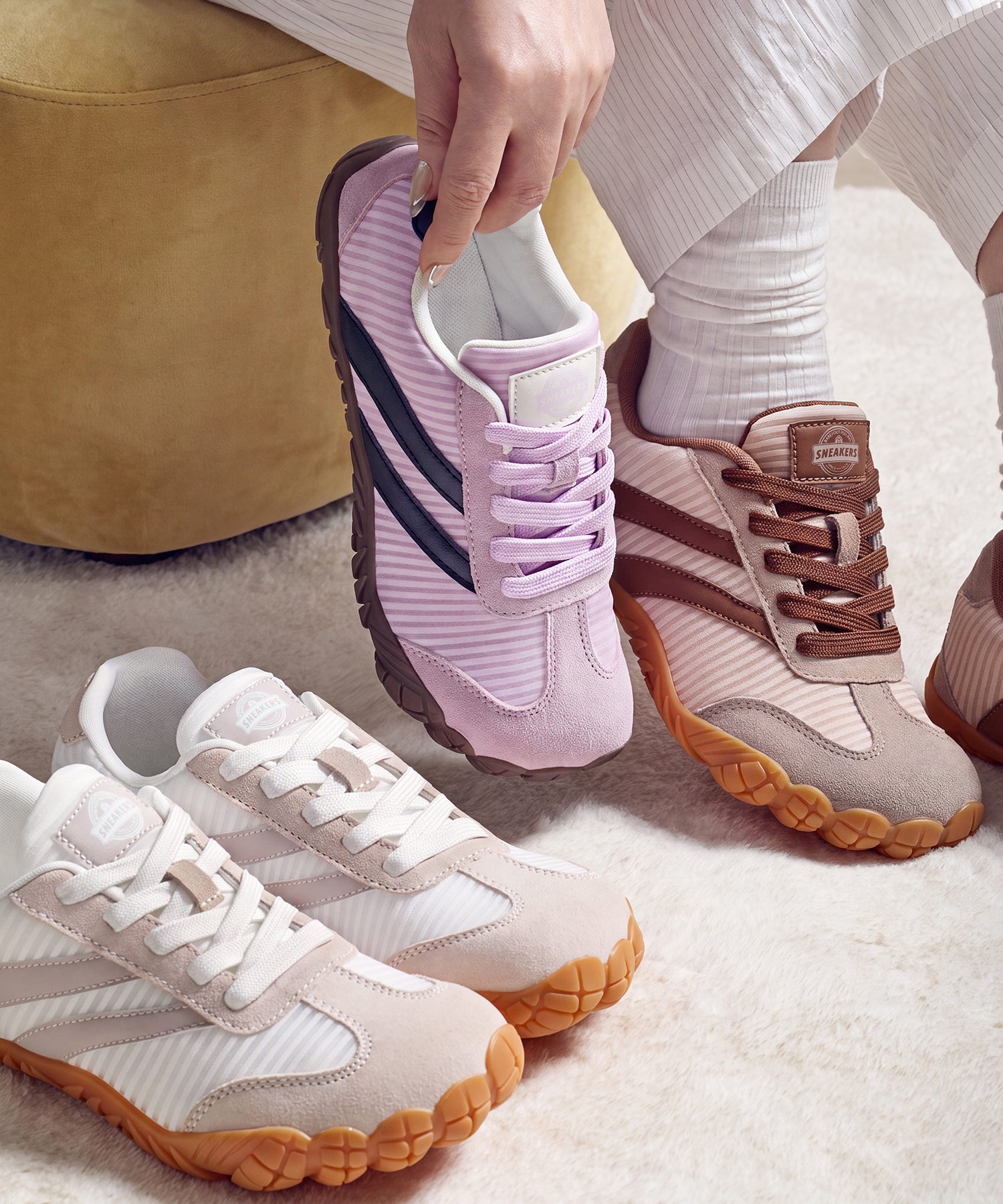
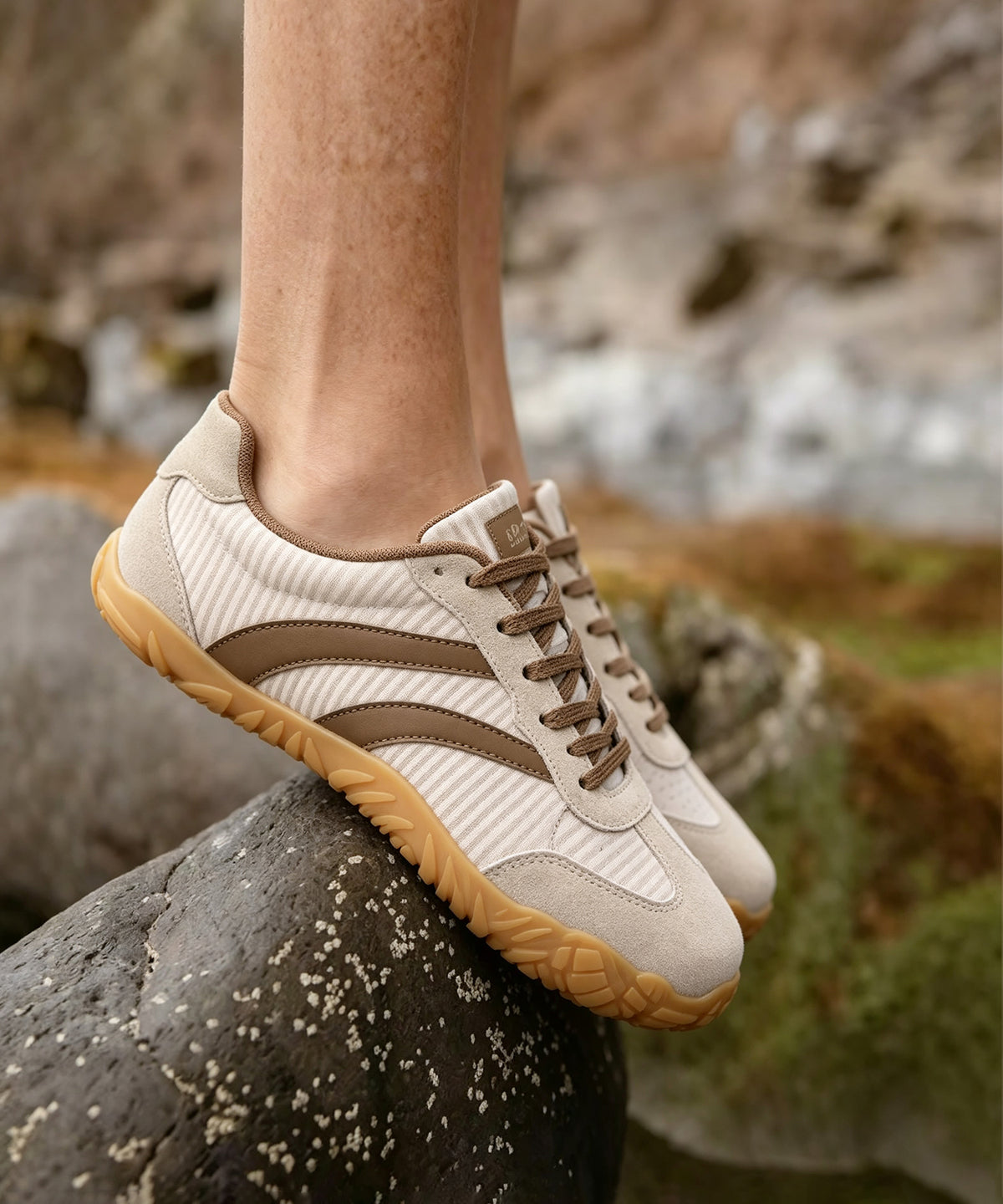
BareFrog combines a zero-drop platform, a foot-shaped profile, and an everyday silhouette for people exploring barefoot-style footwear. The design is intended to bridge training and daily wear without promising that one shoe will suit every exercise or foot.
- Zero-drop platform: Keeps the heel and forefoot at the same height.
- Wide, foot-shaped profile: Gives the toes room to move and helps you assess fit more naturally.
- Flexible construction: Allows the shoe to move with the foot, subject to the specifications of each model.
- Everyday styling: Makes it easier to move between casual wear and selected gym activities.
Check the individual product page for the current sole, fit, traction, included accessories, and pricing. Gym rules may also require specific footwear for certain lifts or facilities.
How to transition gradually
If you have trained for years in thick, cushioned running shoes, give your feet and lower legs time to adapt:
- Start with familiar movements: Try short sessions, warm-ups, or lighter exercises before testing a new shoe under heavy loads.
- Increase one variable at a time: Do not change footwear, exercise selection, load, and training volume all at once.
- Keep the load appropriate: A gradual progression of resistance-training demands is more useful than rushing to heavier lifts in unfamiliar footwear.
- Stop when symptoms persist: Pain, swelling, numbness, or a lasting change in movement is a reason to stop and seek advice from a qualified healthcare professional.
What should you check before buying?
- Toe-box width: Your toes should have room to move without the shoe feeling loose.
- Heel-to-toe drop: Confirm whether a level platform matches your comfort and technique.
- Sole flexibility: Choose a level of flexibility that suits your exercises and training surface.
- Traction and protection: Check the outsole for your gym floor and the activities you plan to do.
- Fit under load: Make sure the heel stays secure and there are no pressure points when you brace or move.
- Gym requirements: Confirm that the facility allows the footwear for your chosen exercises.
Key takeaways
- Zero-drop is one footwear feature, not a guarantee of stronger lifts, better balance, or improved performance.
- Some lifters like a level, low-profile platform, while others prefer cushioning or a raised heel for specific movements.
- A wide toe box, flexible sole, traction, and secure fit all matter alongside heel-to-toe drop.
- Transition gradually and stop if pain, swelling, numbness, or movement changes persist.
Ready to Explore Barefoot Footwear?
Explore BareFrog footwear and compare the design that fits your training and everyday movement.
Research & Further Reading
View sources
These sources provide background on heel-to-toe drop and resistance-training progression. They do not establish that barefoot shoes are appropriate for every lifter or exercise.
- Review of Terms and Definitions Used in Descriptions of Running Shoes, International Journal of Environmental Research and Public Health, 2020.
- Progression Models in Resistance Training for Healthy Adults, Medicine & Science in Sports & Exercise, 2009.


