

Article: Barefoot Shoes for Weightlifting Strength Training
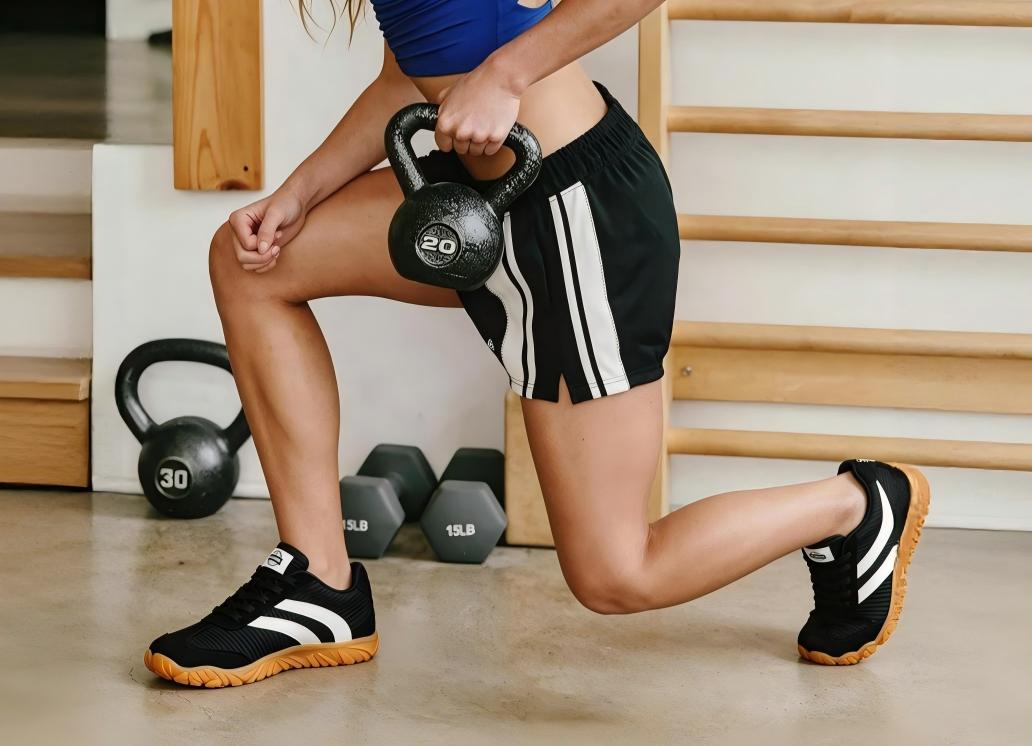
Barefoot Shoes for Weightlifting Strength Training
Think about the last time you walked into the gym.
You probably picked out your favorite workout shirt or shorts. But when was the last time you actually thought about what’s on your feet?
Unless you’re a powerlifter, chances are you just grabbed whatever everyday sneakers were sitting by the door—the same high-cushioned running shoes you use for dog walks, jogging, or running errands.
If that sounds like you, you might be leaving real strength gains and stability on the gym floor.
Why Do Lifters Train Barefoot?
When you execute a deadlift, swing a kettlebell, or press a barbell overhead, what is the very first point of contact between your body and the earth? Your feet.
That downward force is your foundation. If your foundation is squishy or tilted, your entire lift is compromised.
To build true lifting stability, your feet require three non-negotiables:
-
A Wide Base: Toes must be able to spread out naturally to anchor your body.
-
Ground Feedback (Proprioception): Your brain needs clear sensory input to balance effectively.
-
Active Muscular Control: Power originates from the ground up, starting with your foot’s intrinsic muscles.
Imagine trying to squat while standing on a soft mattress or a pair of squishy pillows. Awkward, right?
That is exactly what happens in thick, cushioned running shoes. Thick foam compresses under heavy loads, high heels (elevated heel drops) shift your center of gravity too far forward, and narrow toe boxes squeeze your foundation. All that soft padding absorbs the precious energy and force you are trying to push directly into the floor.
The Real Benefits of Natural Foot Alignment in the Gym
Lifting with a natural, barefoot-inspired footprint gives you:
-
Maximum Force Transfer: Instead of your energy getting absorbed by squishy foam soles, your power goes straight into the floor—and back up through your posterior chain.
-
Rock-Solid Stability: Direct ground contact creates an immovable tripod base (heel, big toe, pinky toe) compared to traditional thick-soled sneakers.
-
Better Lifting Form: When your feet can grip the floor and feel the surface, your brain can fine-tune balance, ankle mobility, and squat depth naturally.
However, going completely barefoot in a commercial gym isn't always practical (or hygienic). That’s where a zero-drop, foot-shaped training shoe becomes your ultimate tool.
Why BareFrog is Built for Strength & Everyday Life
A true strength-training shoe should feature Zero-Drop (meaning your heel and forefoot sit at the exact same level) and a Wide Toe Box.
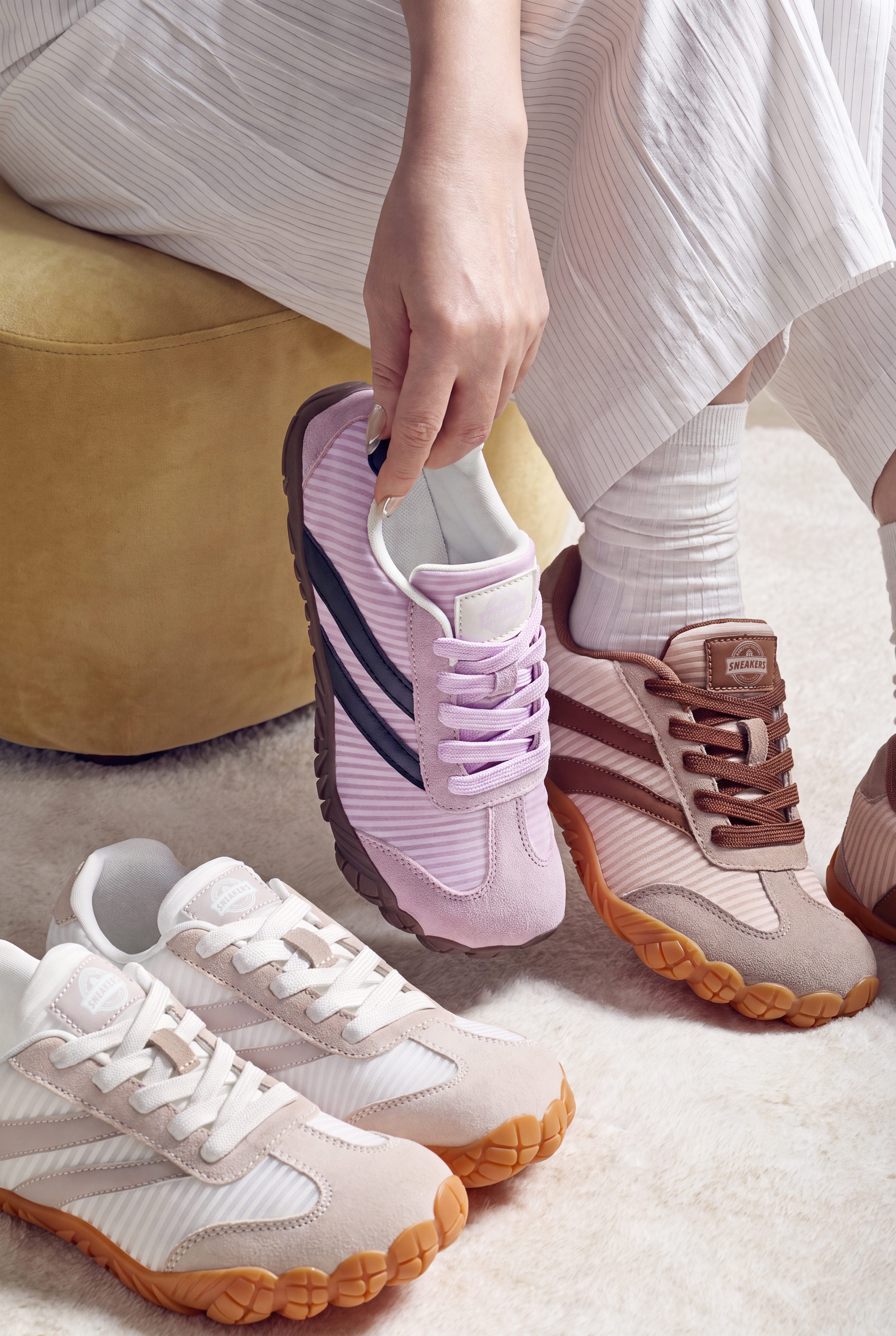
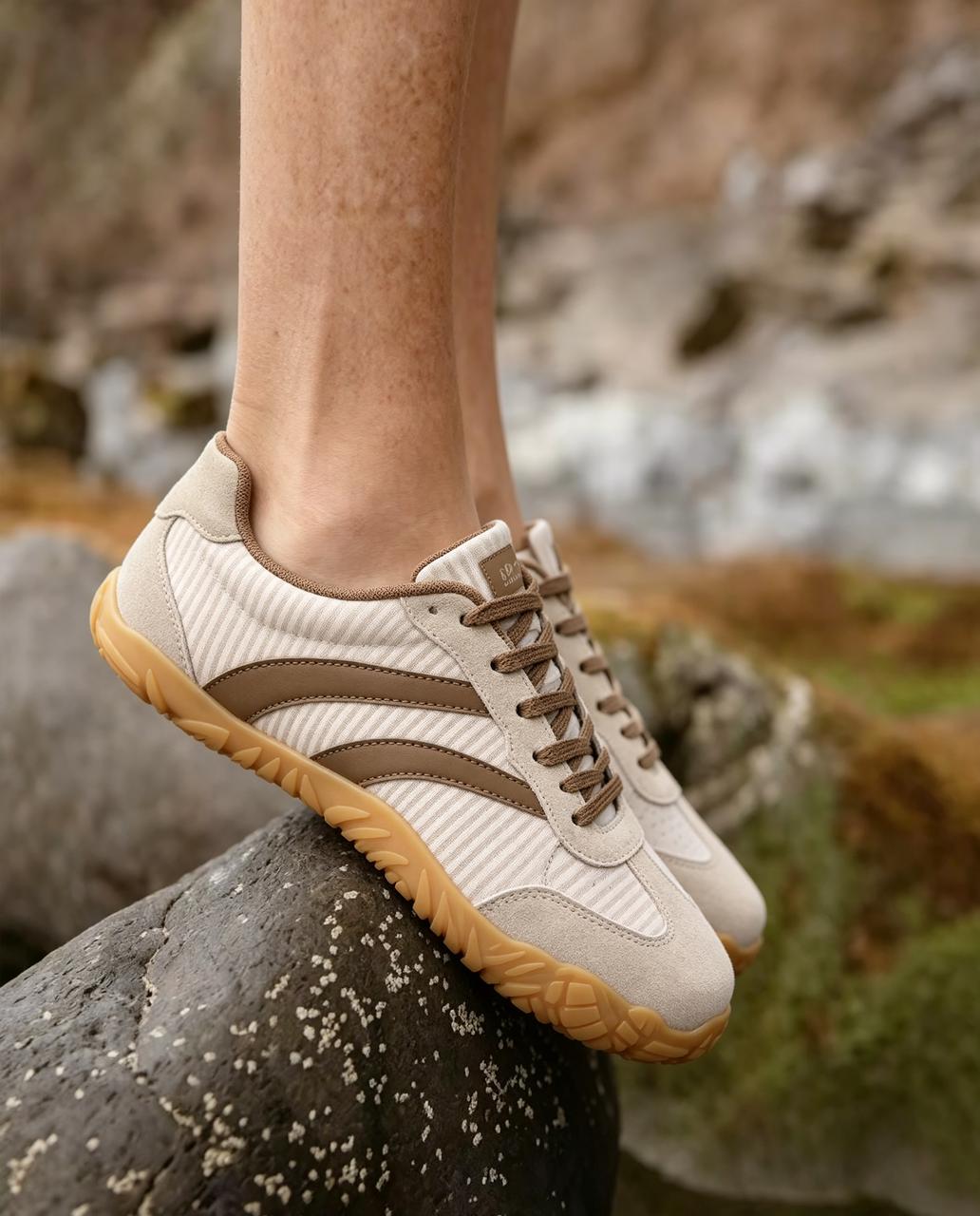
Unlike bulky lifting shoes or purely rugged barefoot trainers, BareFrog bridges the gap between raw gym performance and refined everyday style:
-
True Zero-Drop Mechanics: Keeps your weight evenly distributed across your foot for natural deadlifts and squats without forward posture tilt.
-
Wide Foot-Shaped Profile: Gives your toes the full real estate they need to splay, grip, and stabilize heavy loads.
-
🎁 Bonus Transition Insoles Included: New to zero-drop training? Every pair of BareFrog shoes comes with our Complimentary 4mm Micro-Cushion Transition Insoles. Use them for initial gym buffer protection on hard surfaces, then slide them out when you want 100% direct ground connection.
-
Versatile Gym-to-Street Aesthetics: Engineered with a sleek, premium silhouette so you can go straight from heavy squat sessions to casual city hangs without looking like you're wearing awkward gym gear.
4 Tips for Transitioning to Barefoot Strength Training
If your feet have been encased in thick running shoes for years, your foot muscles need a short runway to wake up. Here is how to transition smoothly:
-
Start Slow: Introduce minimalist shoes into your workouts gradually. Start by wearing them for warm-ups or upper-body lifting days before moving to heavy leg days.
-
Master Toe Splay: Practice spreading your toes flat on the floor during light kettlebell or bodyweight exercises to engage your arches.
-
Use Your Transition Buffer: Utilize the included BareFrog transition insoles during your first 2–4 weeks to give your feet protection while building intrinsic muscle strength.
-
Listen to Your Body: Minor calf or arch tightness is normal as your lower legs adapt to true zero-drop alignment. Rest when needed and don't rush heavy load increases.
💡 Upgrade Your Foundation. Elevate Your Lifts.
Stronger feet lead to a stronger foundation, and a stronger foundation leads to heavier, safer lifts. Experience natural power without sacrificing modern street style.
[👉 Claim Your BareFrog Pair for $29.90 + Free Transition Insoles Included]
Disclaimer: The content of this post is for educational and informational purposes only and does not constitute medical advice. Always seek the advice of a physician or qualified fitness professional with any questions regarding your training or health conditions.