

Article: What Are Zero-Drop Shoes? A Simple Guide

What Are Zero-Drop Shoes? A Simple Guide
Zero-drop shoes have the same height under the heel and the forefoot. Unlike many traditional shoes, they do not angle your foot upward from the toes to the heel.
That simple measurement is useful, but it does not tell you everything about a shoe. For barefoot footwear, zero-drop is one of the core design features that helps create a level, natural-feeling platform.
What does heel drop mean?
Heel drop, also called heel-to-toe drop, is the height difference between the heel and the front of the shoe. A positive drop places the heel higher than the forefoot. A zero-drop design keeps both areas at the same height.
Zero-drop describes the angle of the shoe, not its cushioning, flexibility, width, or overall feel. A 2020 review of running-shoe terminology also distinguishes heel-to-toe drop from other shoe features.
How zero-drop supports barefoot footwear
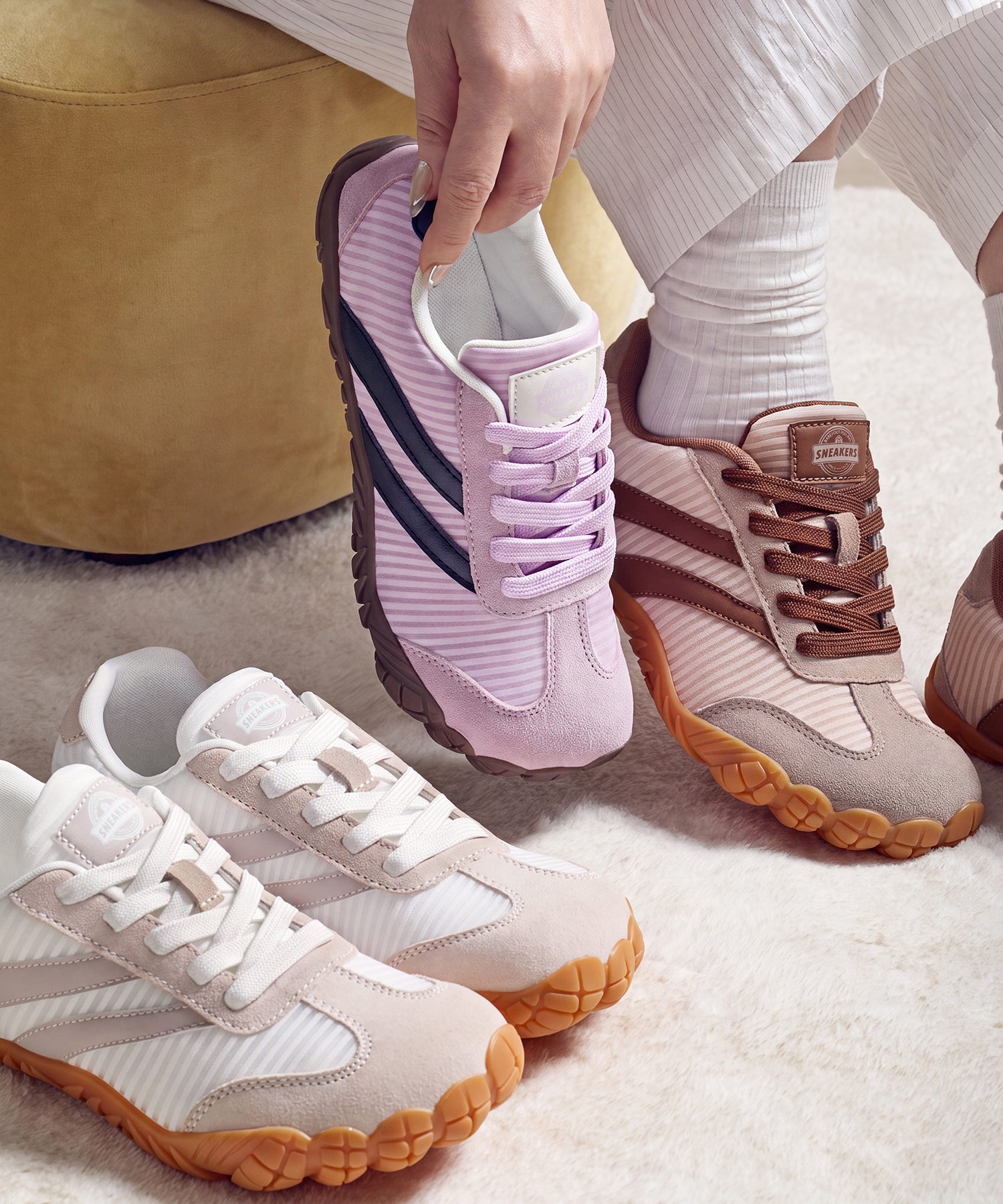
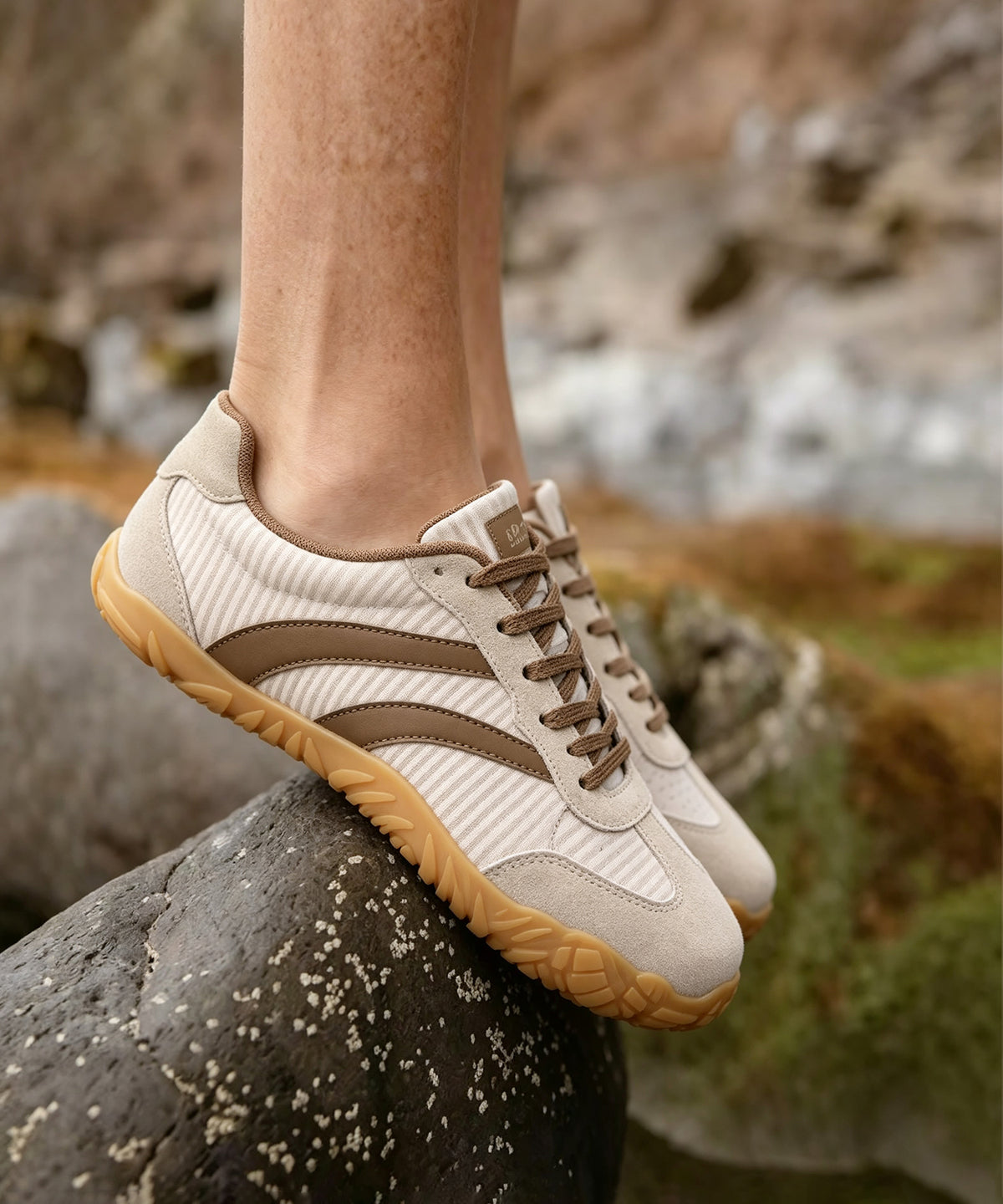
Zero-drop is an important part of BareFrog’s barefoot-shoe design. It keeps the heel and forefoot on the same level, while the other design features below work together to support a more natural-feeling fit and movement:
- Zero-drop construction: The heel and forefoot sit at the same height.
- A foot-shaped toe box: There is enough room for the toes to spread comfortably.
- A flexible sole: The shoe can bend with the foot instead of forcing it into one position.
- A lower-profile sole: The wearer may feel more of the surface underfoot, depending on the sole thickness.
These features complement one another. Zero-drop provides the level platform, while the toe-box shape, flexibility, and sole profile shape the rest of the barefoot experience. A zero-drop label by itself does not describe every aspect of a shoe, so it is worth checking the full design.
Why do people choose zero-drop shoes?
Some people prefer a level platform because it feels more natural or gives them a more consistent base during everyday movement and training. Others like the extra room and flexibility that often come with barefoot-style designs.
Comfort and stability depend on the individual, the activity, the shoe design, and how gradually the shoes are introduced. Zero-drop is not a guarantee of better performance or less pain. Research on heel-to-toe drop and running biomechanics has examined specific running conditions, so those findings should not be treated as a universal promise for every person or activity.
How to transition safely
If you have spent years in structured or elevated-heel shoes, give your feet and lower legs time to adapt:
- Start with short periods of walking or light activity.
- Increase time and intensity gradually instead of changing everything at once.
- Pay attention to persistent pain, swelling, numbness, or changes in your gait.
- Stop and seek professional advice if symptoms continue or if you have an existing foot, ankle, or lower-leg condition.
Footwear choice and injury risk depend on several factors, including the person, activity, training load, and shoe design.
What should you check before buying?
Look beyond the zero-drop label. Check the toe-box shape, sole flexibility, sole thickness, traction, fit, and the activities you plan to do. A comfortable fit should leave your toes room to move without your heel slipping.
Why BareFrog?
BareFrog focuses on foot-shaped footwear with a level platform and a clean, everyday look. The right choice should support how you move while matching your comfort level, experience, and intended activity.
Ready to Try Zero-Drop Shoes?
Explore BareFrog footwear and choose the design that fits your everyday movement.
Research & Further Reading
View sources
These sources provide background on footwear terminology, selected biomechanics findings, and the complexity of footwear and injury risk. They are included for educational purposes and do not constitute medical advice or product endorsement.
- Review of Terms and Definitions Used in Descriptions of Running Shoes, International Journal of Environmental Research and Public Health, 2020.
- Acute Effects of Heel-to-Toe Drop and Speed on Running Biomechanics and Strike Pattern in Male Recreational Runners, Frontiers in Bioengineering and Biotechnology, 2022.
- What Are the Perceptions of Runners and Healthcare Professionals on Footwear and Running Injury Risk?, BMJ Open Sport & Exercise Medicine, 2020.

